

Keller Regional Park
Keller Regional Park is the oldest park in Ramsey County, and it is a part of the Phalen-Keller Regional Park that covers approximately 750 acres. RWMWD has done extensive ecological restoration throughout the Regional Park to connect habitat and protect water quality.
Our work in Keller Regional Park is composed of multiple sites, each with unique processes and progress, and it is done in partnership with Ramsey County. Explore the different sites below and learn more about the work we’ve completed in our County’s first park.
Contact
Keller Shoreline
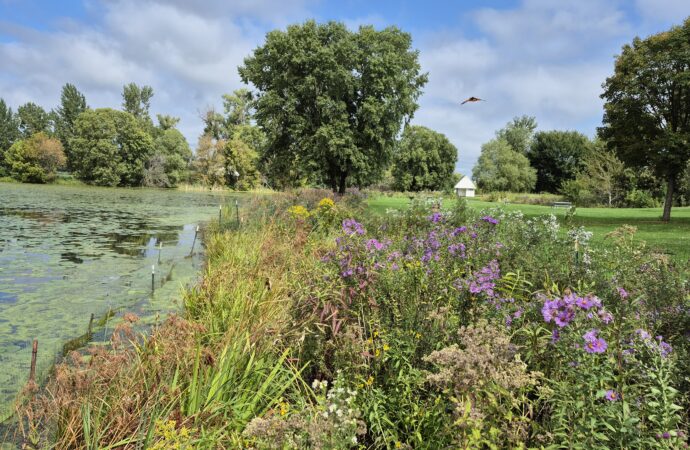
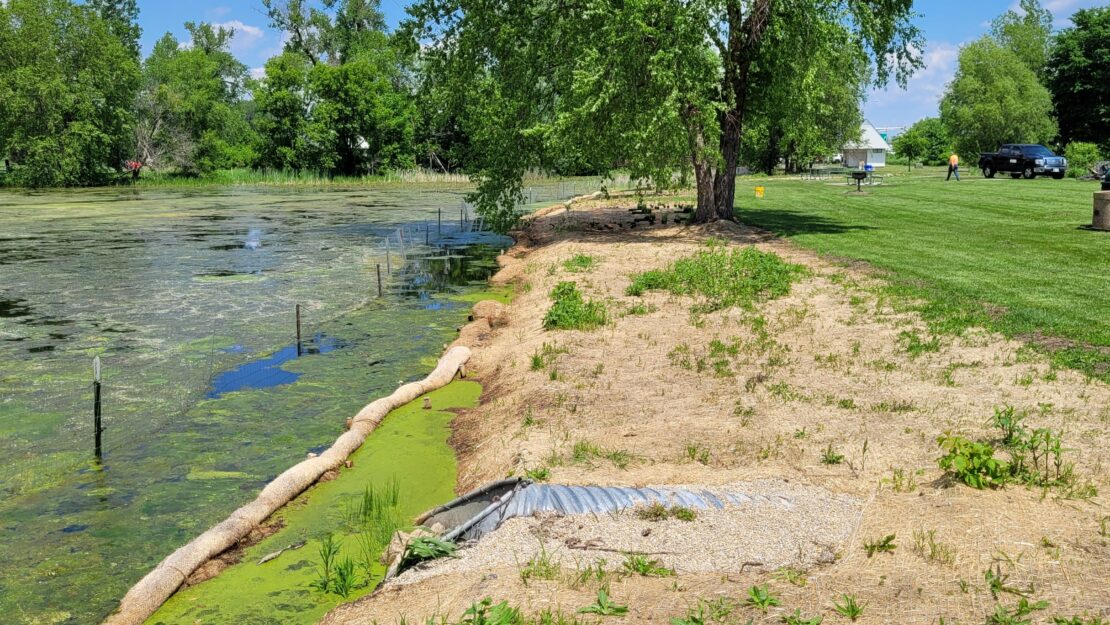
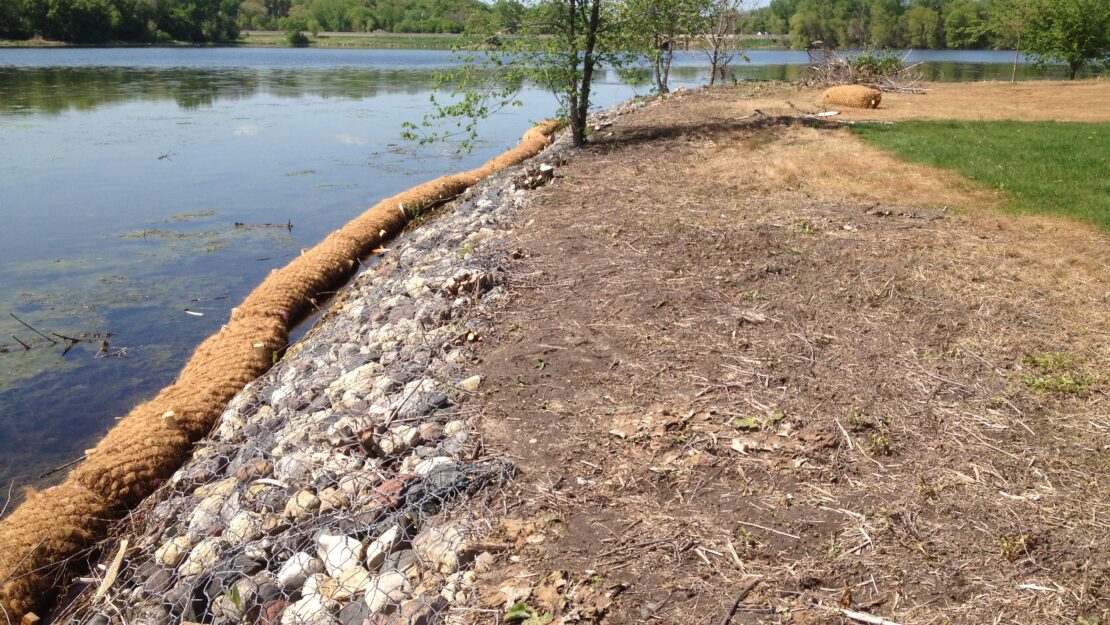
Keller Shoreline is located on the east side of Keller Lake and is part of Keller Regional Park. Keller Lake was not always a lake; up until the early 1900s, this area was a wetland. It was dredged so boats could paddle between Lake Gervais and Lake Phalen. Because the shorelines were unstable after the dredging, rock gabions were installed. These gabions are wire cages filled with rock intended to help stabilize the shoreline from erosion by stormwater, waves, and ice. Although the gabions did stabilize the shore banks for decades, they offered little in the way of habitat, water filtration, or other ecological benefits, and they were unsightly and posed a safety risk to the public.
Work Completed
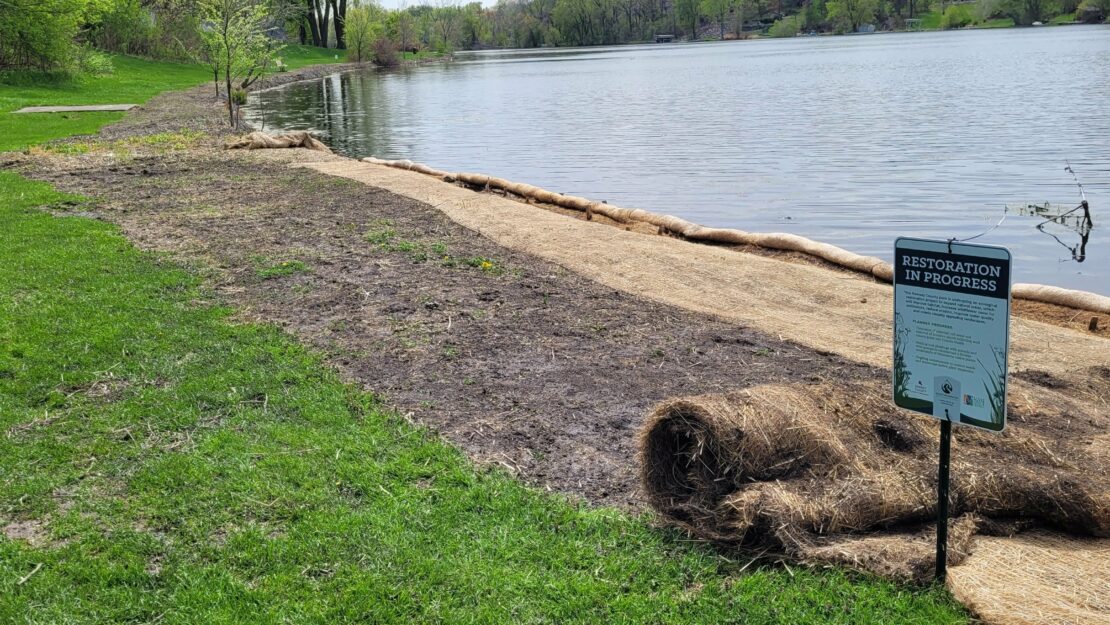
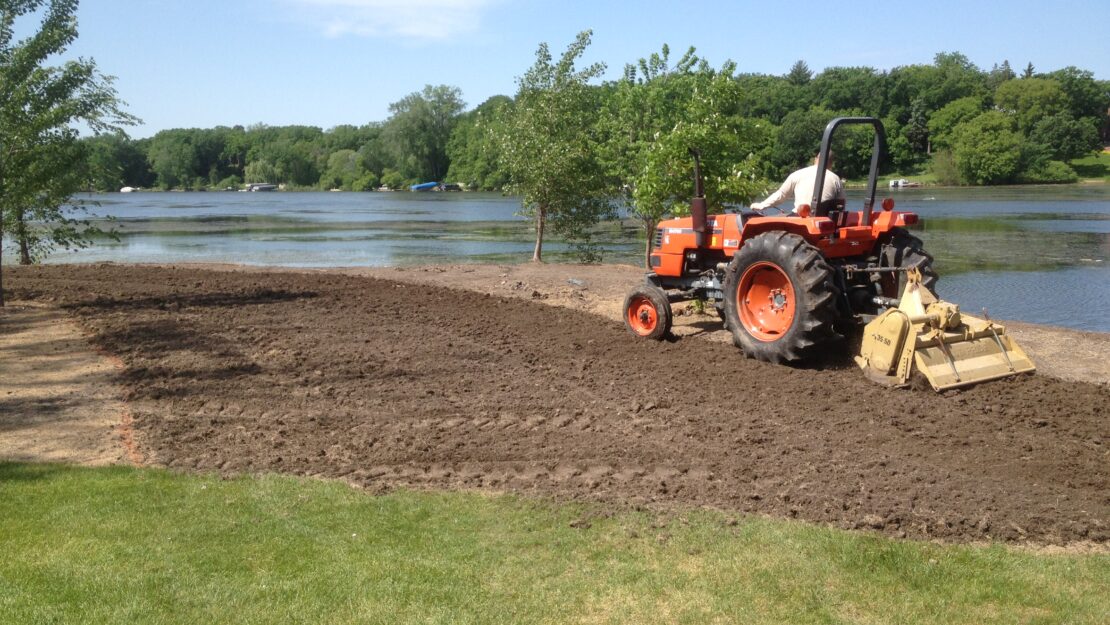
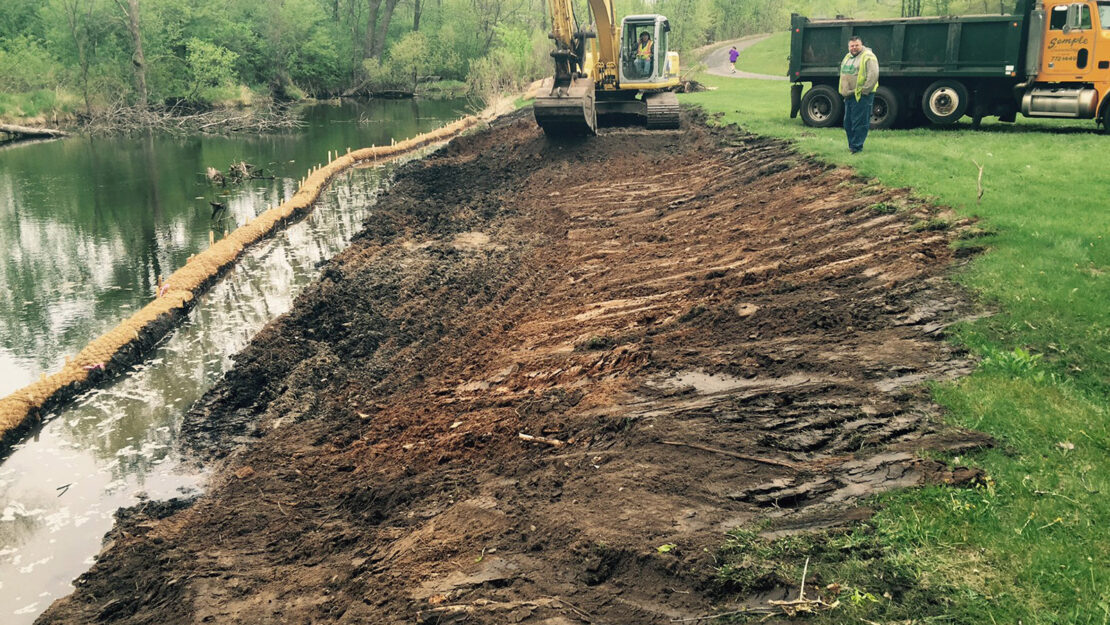
To prepare for out shoreline restoration on Keller Lake, RWMWD performed several prescribed burns to manage weeds and to promote native species. Following the burns and more weed management, we installed biodegradable-coir logs at the water’s edge next to the gabions. We then filled the gabions with small rock and added a top layer of clean soil to act as a planting medium.
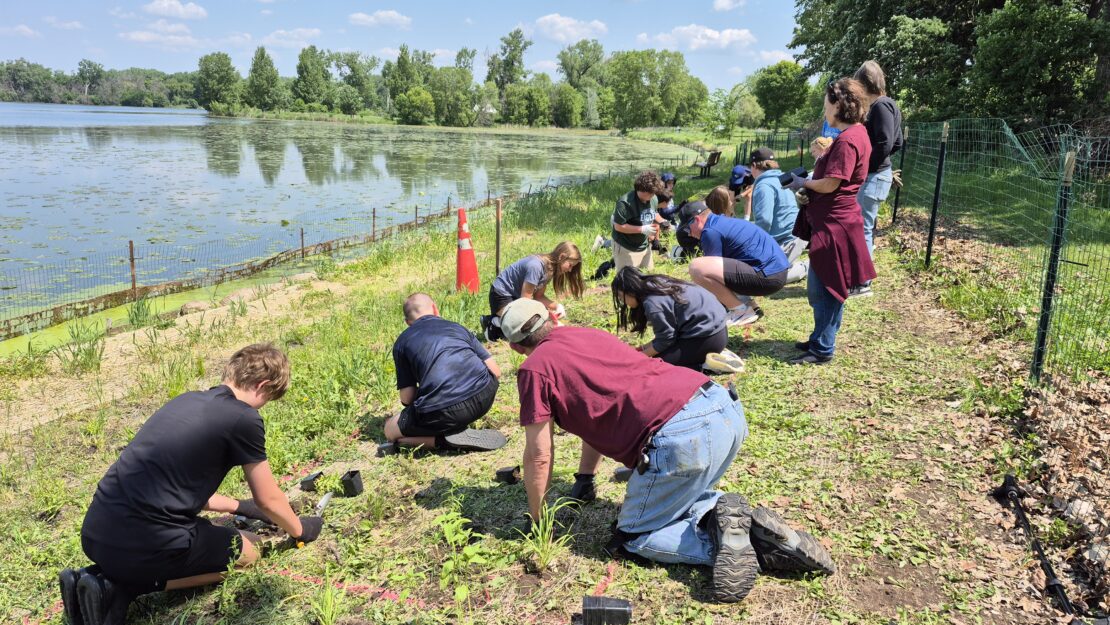
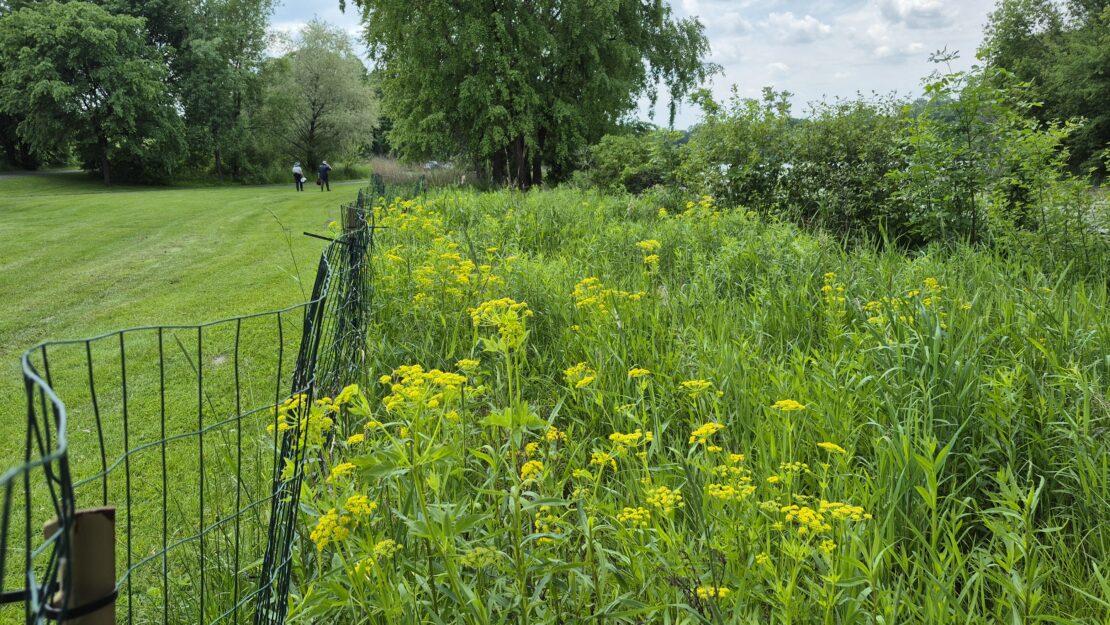
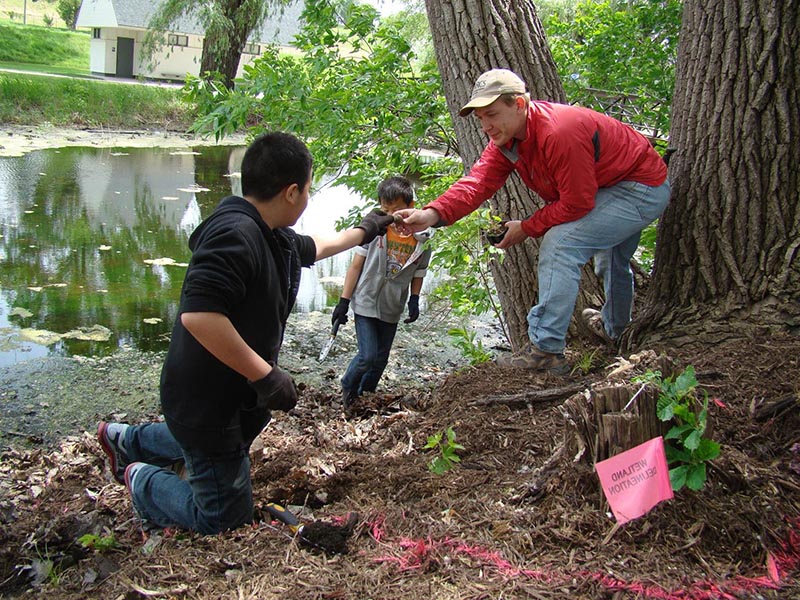
Once the soil was installed, we sowed a diverse native seed mix designed specifically for the site. After seeding, the area was covered with biodegradable erosion control fabric to stabilize the soil and help our plants germinate. Finally, with the help over 250 local students and other staff and partners, we installed over 2,600 plants into the shoreline. These plants have a wide range of bloom times for pollinators and deep roots that will stabilize the shoreline. Several trees and shrubs were also installed to add structure and diversity. Most of this work was funded by a Conservation Partners Legacy Grant, which is part of Minnesota’s Clean Water Land & Legacy Amendment.
Hortman Hill
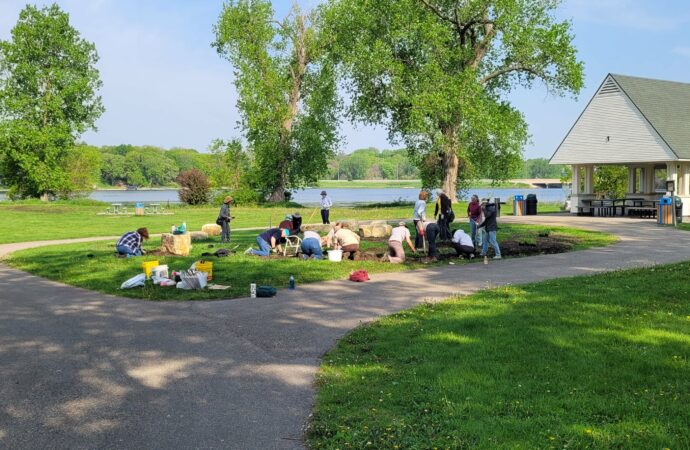
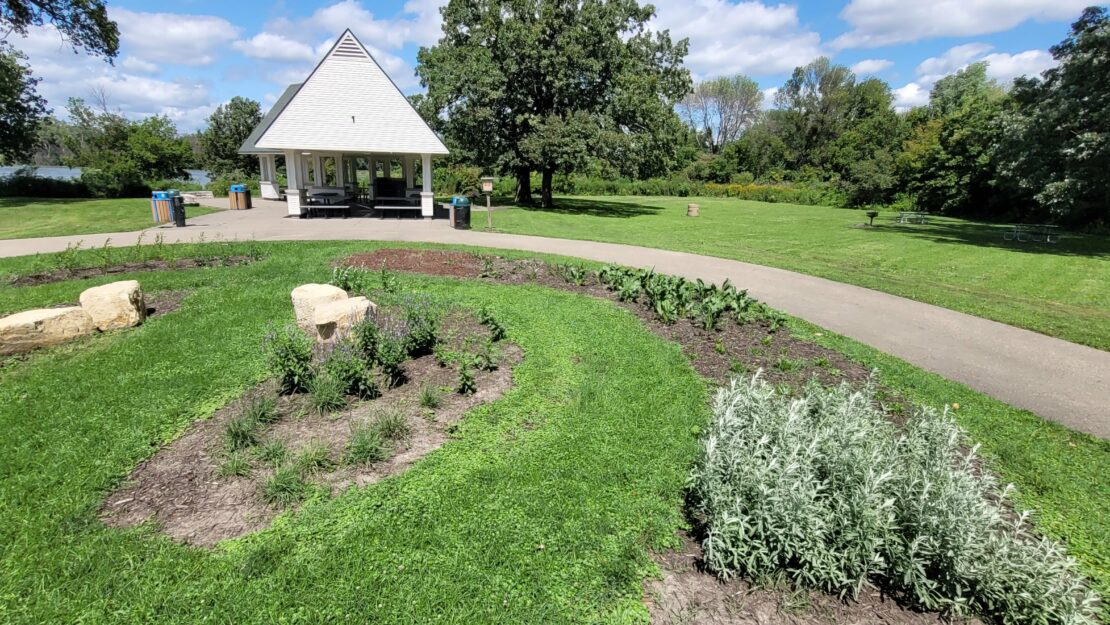
In 2025, we began a new restoration called Hortman Hill, which is just up the slope from our shoreline project. A large, beautiful bur oak was surrounded by turf grass on a steep hill that drains to Keller Lake. Our idea was to create a Soft Landings planting under the bur oak. Soft Landings are diverse native plantings under keystone trees (or any other regionally appropriate native tree). These plantings provide critical shelter and habitat for one or more lifecycle stages of moths, butterflies, and beneficial insects. After consulting with the landowner, Ramsey County Parks and Recreation, it was decided that a larger area of turf grass was not needed in this area, so our small idea turned into a large project that will benefit Keller Lake, pollinators, and other wildlife for years to come. Oak savanna species were selected, seeded, and planted on the hill with the help of our Citizens Advisory Committee and other volunteers.
Keller Island
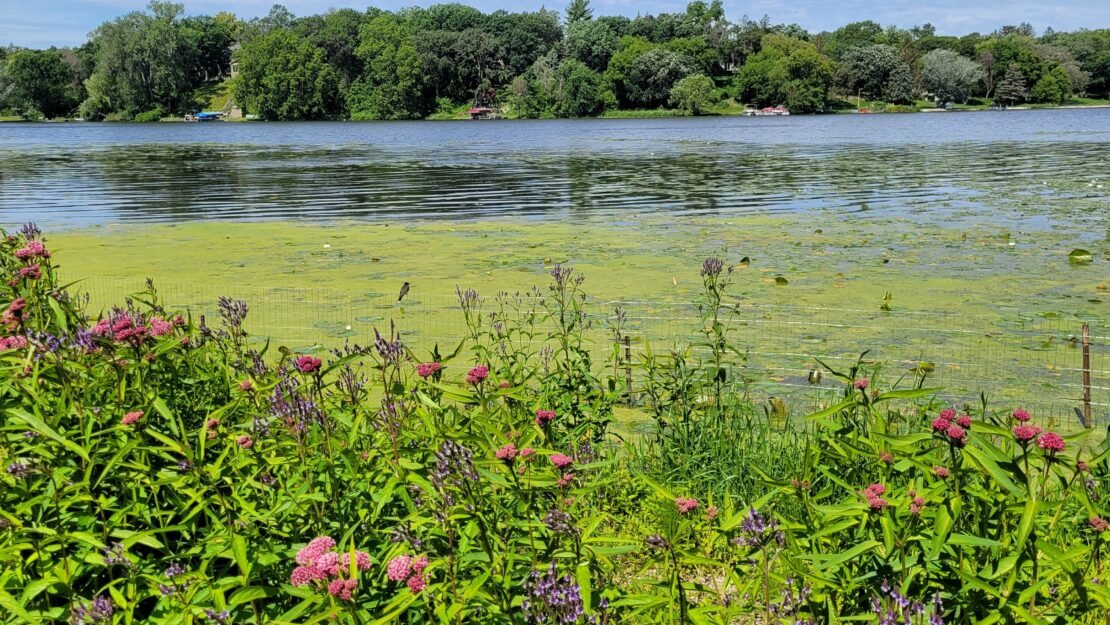
In the early 1900s, substantial lake dredging activity took place in the Phalen Chain. The dredged sediment was used to create Keller Park Island, now a part of Keller Regional Park. As this island was artificially created, it lacked its own diverse, native plant community, and its shoreline soils were prone to erosion. Similar to the Keller shoreline mentioned above, rock gabions were placed along thousands of feet of park shoreline to reduce erosion. This approach effectively stabilized the shoreline but was unsightly and created little habitat value. Soon after installation, areas around the rock baskets were colonized by invasive plant species, including common buckthorn, Canada thistle, and reed canary grass.
Work Completed
Between 2010 and 2012, the District, Ramsey County, and the DNR partnered on a project that targeted over 2,000 feet of shoreline for ecological restoration. The initial restoration process involved the removal and control of invasive weeds. To address shoreline erosion in a more visually pleasing way, a soil layer was placed over the rock baskets to promote plant growth, and several rock access points were installed to prevent further erosion from foot traffic.
Following site preparation, a wide variety of native sedges, flowers, grasses, and shrubs were introduced. A majority of these plants came from the Ramsey County Correctional Nursery. Adult volunteers and local school groups assisted with the plantings, allowing them to learn about and participate in ecological restoration.
Keller Creek
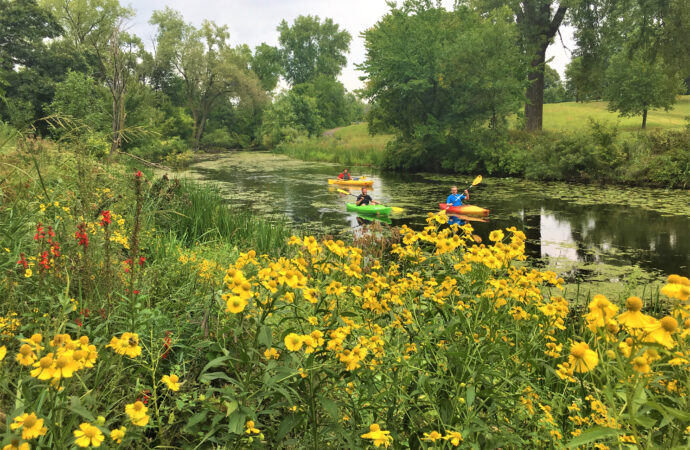
This wildlife and recreational corridor connects Keller and Phalen Regional Parks.
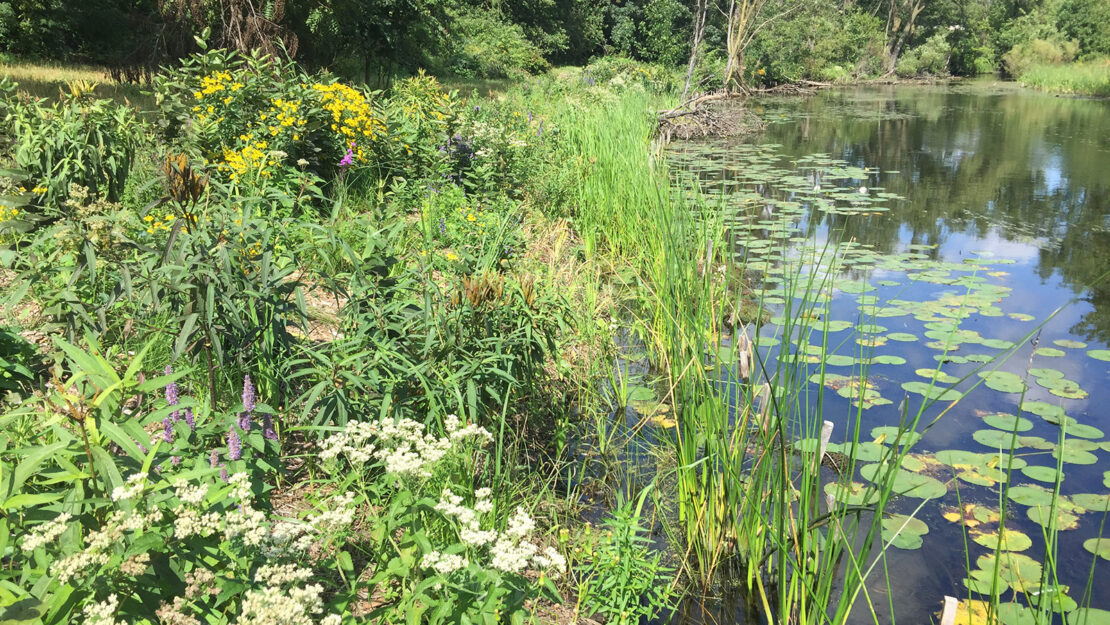
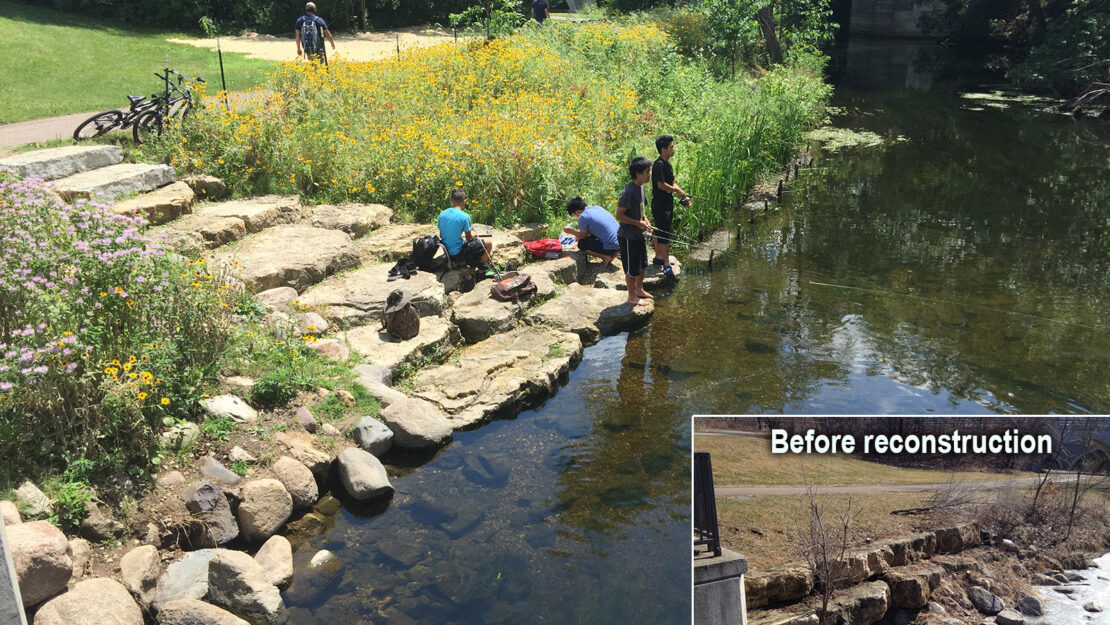
The Keller Creek restoration project brought significant improvements to wildlife habitat and recreation along nearly a mile of this popular creek. Aquatic emergent plants like bulrush and burreed protect banks from high water flows. Along the creek-edge, deep rooted native plants stabilize soils and filter out pollutants. A plethora of flowers provide pollen, nectar and seeds to butterflies, bees and birds. An array of attractive blooms greet park users throughout the growing season. Families take advantage of the reconstructed access areas to float, fish, picnic, and simply enjoy watching the creek.


Gateway Prairies and Round Point
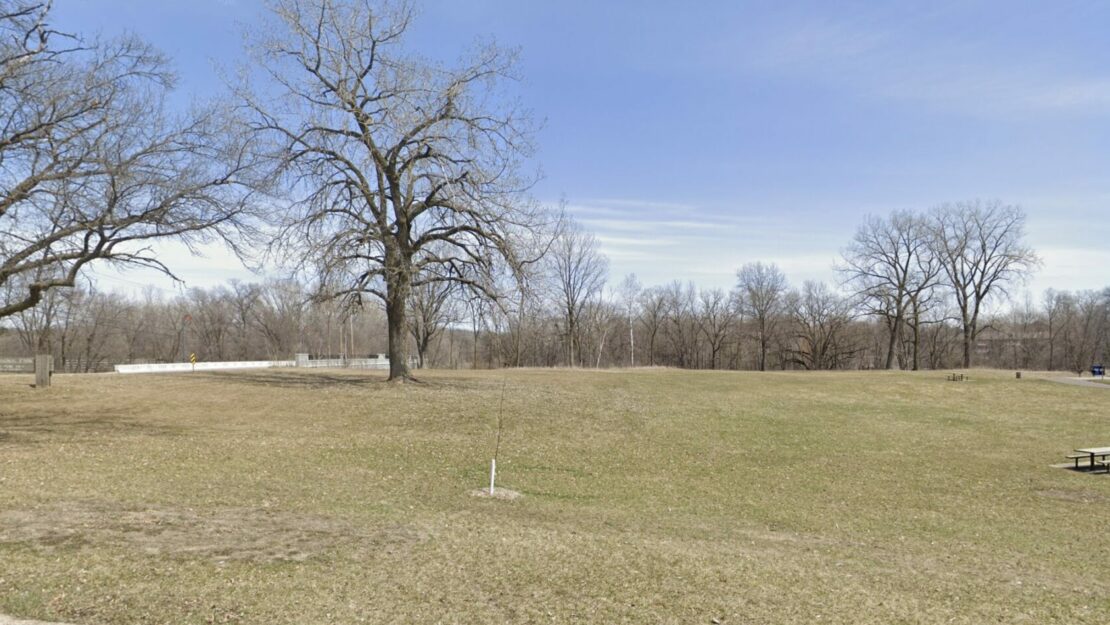
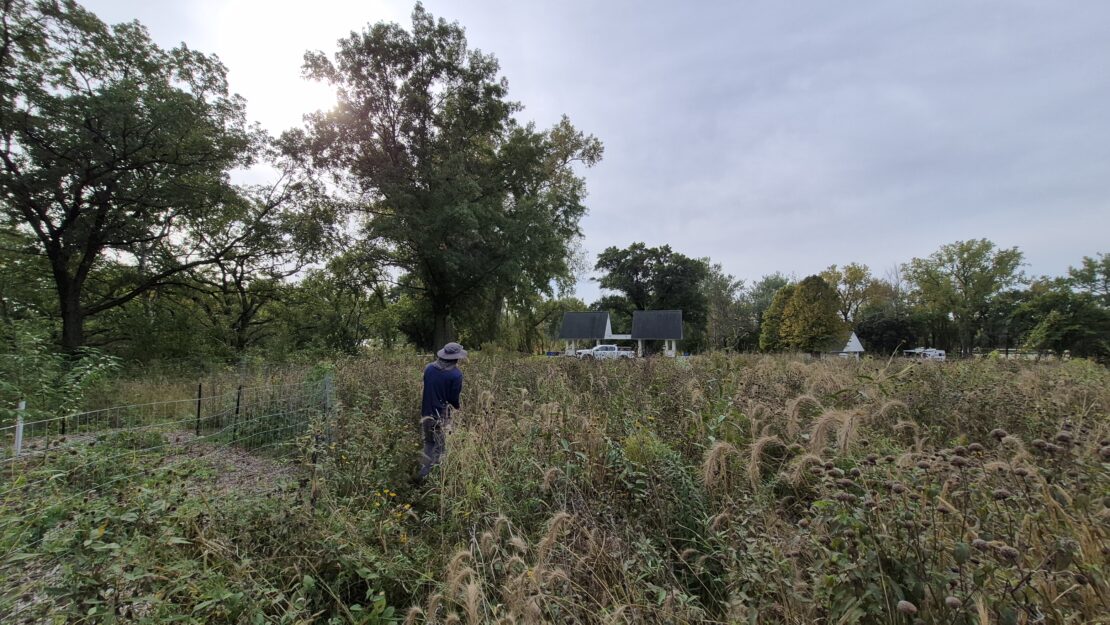
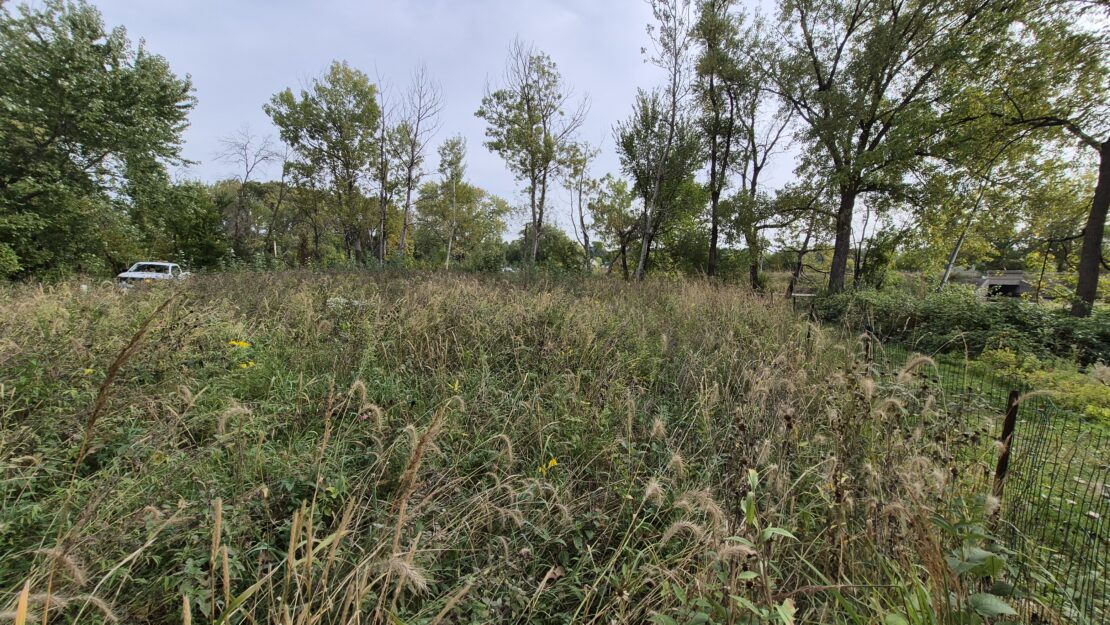
Adjacent to Keller Creek sits our Gateway Prairies, and next to Round Lake is Round Point. These areas were once seldom used, weedy turf that started being transformed into prairies by RWMWD and the County in 2022. The prairies along Frost Avenue (so named the Gateway Prairies due to their proximity to the Gateway Trail) were once areas of very compacted soil, likely due to legacy dredge material that was placed there from work done on Keller Creek. These areas were mowed turf and due to the compacted soils, acted like “green concrete”, sending stormwater runoff into Keller Creek. Now, deep-rooted prairie plants infiltrate stormwater and provide habitat for bees, birds, butterflies, and more. Funding for this turf-to-prairie conversion was provided by a Conservation Partners Legacy grant and District funds.
Related Projects
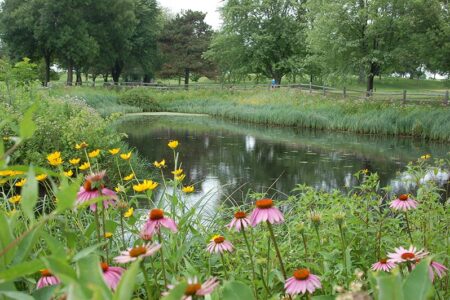 Lake Phalen
Keller Golf Course
A strong partnership makes Keller Golf Course an award-winning ecological preserve.
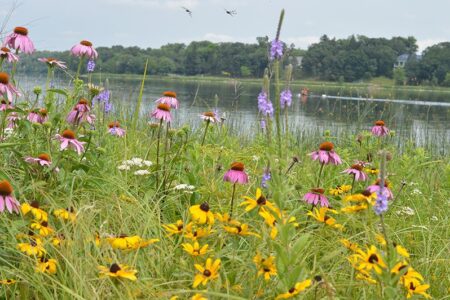 Lake Phalen
Lake Phalen Shoreline
From rocks to richness, a story of success and conservation at Lake Phalen.